







Hidden Japan

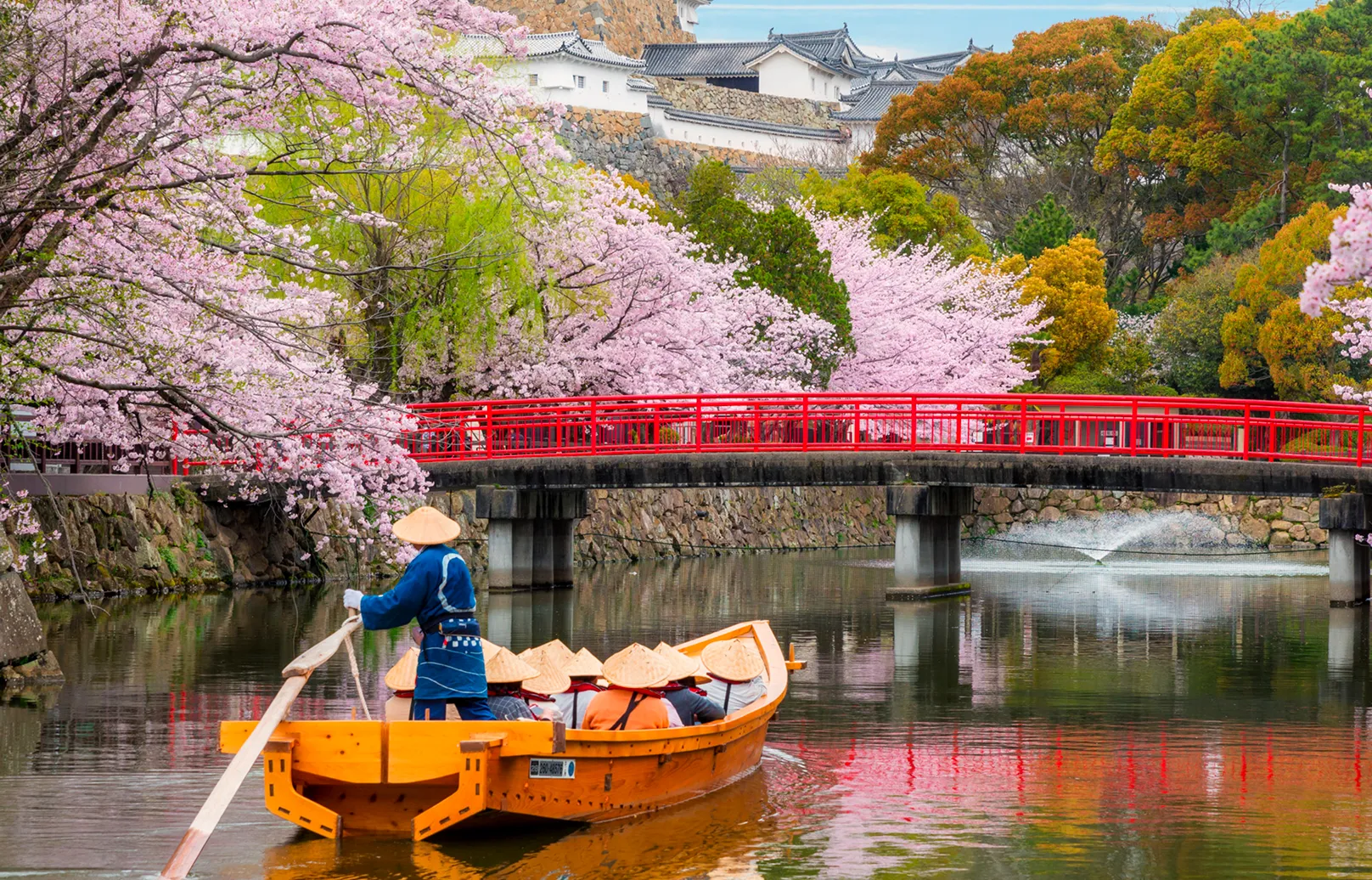
Hidden Japan: Discovering the Country Beyond the Usual Path When people think of Japan, images of neon-lit Tokyo streets, Kyoto’s iconic temples, and Mount Fuji often come to mind. While these destinations are remarkable, there exists another side of the country—quiet, authentic, and deeply rooted in tradition. This is Hidden Japan, a world that reveals itself to those willing to step beyond the familiar routes. Rural Landscapes and Timeless Villages Away from the major cities, Japan’s countryside offers a glimpse into a slower, more grounded way of life. Villages such as Shirakawa-go, with their traditional gassho-zukuri farmhouses, preserve architectural styles that have endured for centuries. Terraced rice fields, mountain forests, and coastal hamlets create landscapes shaped by nature and tradition working in harmony. In these regions, daily life follows the seasons. Local festivals, agricultural rituals, and community gatherings reflect customs passed down through generations, offering travelers an authentic cultural experience rarely found in urban centers. Cultural Traditions Off the Beaten Path Hidden Japan is rich in cultural practices that remain largely untouched by mass tourism. Regional crafts such as handmade washi paper, lacquerware, and indigo dyeing continue to thrive in small workshops. Visiting these artisans provides insight into Japan’s dedication to craftsmanship, patience, and precision. Traditional performing arts, including local forms of Noh, Kabuki, and folk dances, are often preserved in rural areas. These performances are intimate and deeply connected to regional identity, offering a more personal connection to Japan’s artistic heritage. Spiritual Retreats and Sacred Spaces Japan’s spiritual depth extends far beyond its famous shrines and temples. Remote mountain monasteries, forest shrines, and pilgrimage routes such as the Kumano Kodo offer peaceful environments for reflection and renewal. These sacred spaces emphasize the Japanese belief in the spiritual presence of nature, known as Shinto, and the meditative practices of Buddhism. For travelers seeking tranquility, temple stays in lesser-known regions provide opportunities to participate in meditation, morning rituals, and simple, mindful living. Regional Cuisine and Local Flavors One of the most rewarding aspects of exploring Hidden Japan is discovering its regional cuisine. Each area has its own specialties, shaped by local ingredients and climate. From rustic mountain dishes to fresh coastal seafood, these meals reflect a strong connection between food, land, and culture. Dining in family-run inns or local eateries allows visitors to experience genuine hospitality and flavors rarely found in international restaurants. Conclusion Hidden Japan offers a deeper understanding of the country’s identity—one that extends beyond modern skylines and popular landmarks. It is found in quiet villages, enduring traditions, sacred landscapes, and the warmth of local communities. For travelers seeking authenticity, reflection, and cultural immersion, Hidden Japan awaits, ready to reveal its stories to those who choose to look beyond the obvious.

Explore More
Greece in Style

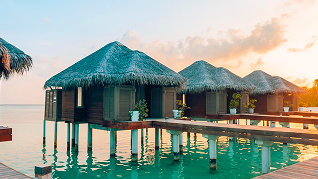
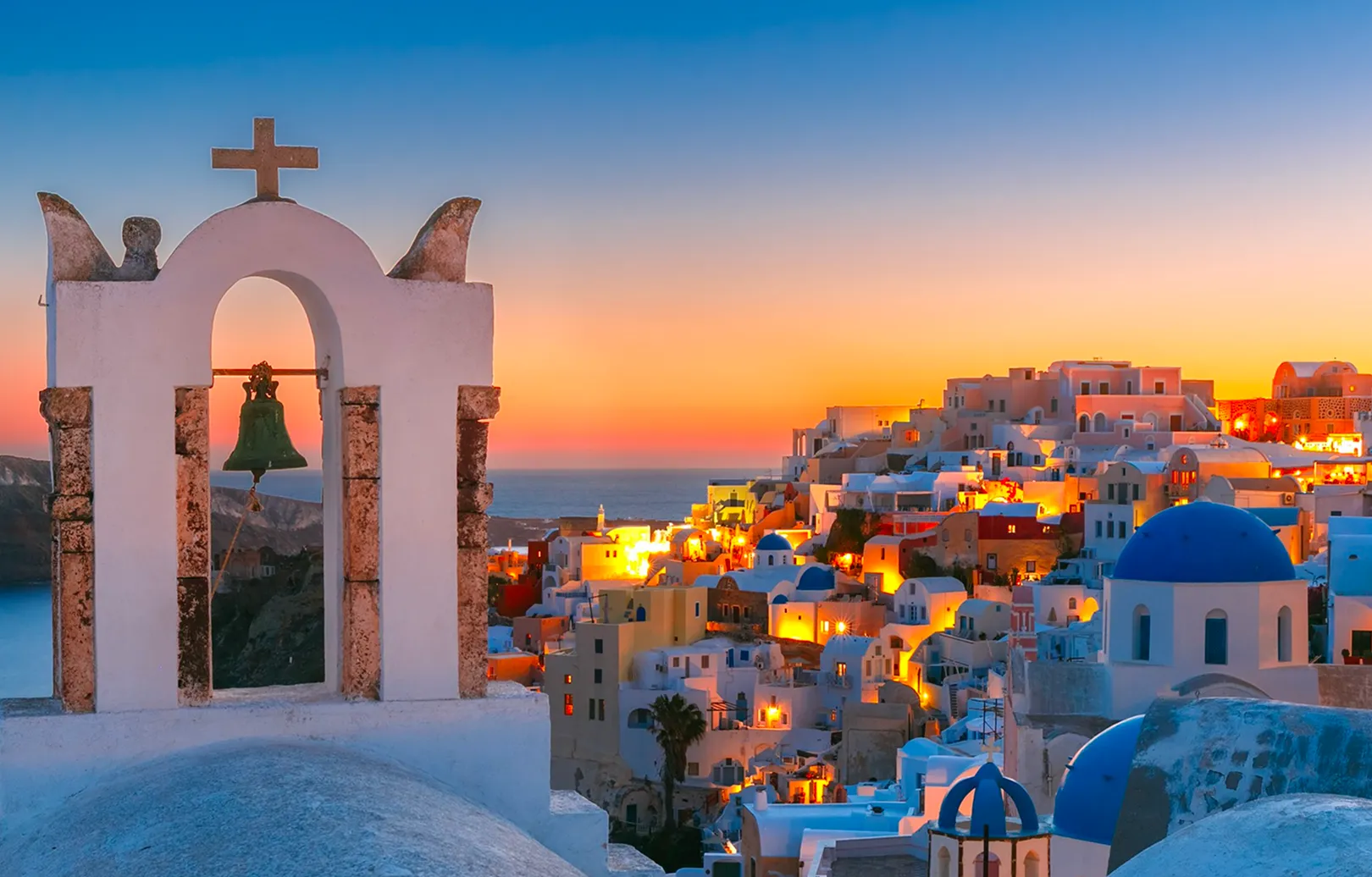
Greece in Style: Where Timeless Heritage Meets Modern Elegance Greece has long been celebrated as the cradle of civilization, a land where history, art, and philosophy were born. Today, it continues to captivate travelers by seamlessly blending its ancient legacy with contemporary sophistication. Greece in Style is not just about visiting historic landmarks—it is about experiencing the country through refined comfort, curated journeys, and authentic cultural encounters. Iconic Destinations with a Refined Touch From the sun-drenched streets of Athens to the whitewashed elegance of the Cycladic islands, Greece offers iconic destinations elevated by modern luxury. In Athens, ancient monuments such as the Acropolis stand alongside stylish rooftop lounges, boutique hotels, and world-class dining, creating a dynamic contrast between past and present. Islands like Santorini and Mykonos redefine coastal elegance with cliffside suites, infinity pools, and panoramic views of the Aegean Sea. These destinations offer a balance of relaxation and vibrancy, appealing to travelers who value both beauty and comfort. Luxury Rooted in Authenticity True style in Greece goes beyond aesthetics—it lies in authenticity. Restored heritage properties, private villas, and boutique resorts reflect local architecture while offering contemporary amenities. Personalized experiences, such as private archaeological tours, yacht cruises between islands, and exclusive wine tastings, allow travelers to connect with Greece on a deeper level. Even simple moments, like enjoying a sunset dinner overlooking the sea or strolling through a historic village, are elevated by thoughtful details and warm Greek hospitality. Gastronomy as an Experience Greek cuisine is an essential part of the stylish travel experience. From Michelin-starred restaurants to refined interpretations of traditional tavernas, dining in Greece celebrates fresh ingredients, regional flavors, and time-honored recipes. Olive oil, seafood, herbs, and local wines come together in dishes that are both wholesome and sophisticated. Many luxury experiences now include farm-to-table dining, cooking classes, and vineyard visits, offering insight into Greece’s culinary heritage with a modern approach. Culture, Leisure, and Lifestyle Greece in Style also embraces wellness and leisure. Spa retreats inspired by ancient healing practices, seaside yoga sessions, and leisurely afternoons on secluded beaches create a sense of balance and renewal. Art galleries, fashion boutiques, and cultural events add a contemporary layer to the traditional Greek lifestyle. Whether exploring historic ruins or sailing across crystal-clear waters, every experience is designed to be immersive, elegant, and memorable. Conclusion Greece in Style is about traveling with intention and appreciation—for history, culture, and refined living. It offers an experience where ancient stories meet modern comfort, and where every journey feels both meaningful and indulgent. For those seeking sophistication without losing authenticity, Greece delivers an experience that is effortlessly stylish, timeless, and unforgettable.

Explore More

Tibet Awaits

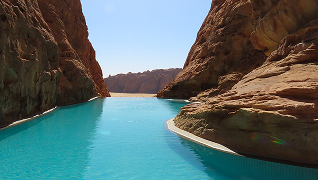
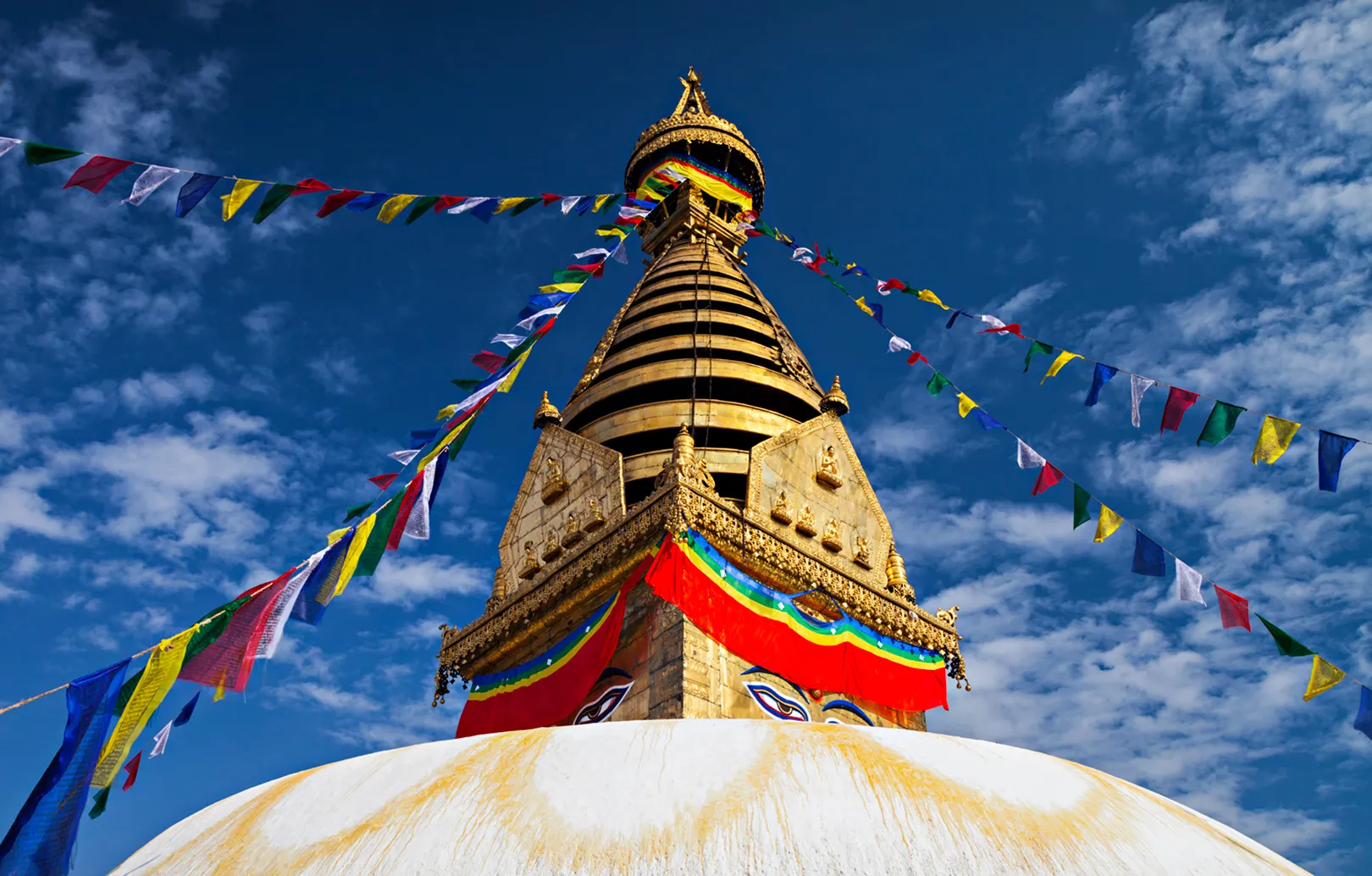
Tibet Awaits: A Journey into Culture, Spirituality, and Timeless Landscapes Tibet stands as one of the world’s most extraordinary destinations—an elevated land where geography, spirituality, and culture intersect to create an experience unlike any other. Often referred to as the “Roof of the World,” Tibet offers travelers a rare opportunity to explore ancient traditions, dramatic landscapes, and a way of life deeply rooted in mindfulness and harmony with nature. A Land Defined by Altitude and Awe Situated on the world’s highest plateau, Tibet is surrounded by some of the most formidable mountain ranges on Earth, including the Himalayas. The region’s vast open spaces, snow-capped peaks, and crystal-clear skies create a sense of scale and serenity that is difficult to find elsewhere. This natural environment not only shapes Tibet’s climate but also influences the rhythm of life, encouraging a slower, more intentional pace. Cultural Heritage and Spiritual Depth Tibet is globally recognized as the heartland of Tibetan Buddhism. Monasteries, stupas, and prayer flags are integral parts of the landscape, reflecting a spiritual tradition that has endured for centuries. The Potala Palace in Lhasa, a UNESCO World Heritage Site, stands as a powerful symbol of Tibet’s religious and political history. Visiting such landmarks provides insight into a culture where faith, art, and daily life are seamlessly intertwined. Monasteries such as Jokhang, Sera, and Drepung continue to serve as active centers of learning and worship. The sight of monks engaged in debate, meditation, and ritual offers visitors an authentic glimpse into a living spiritual tradition rather than a preserved relic of the past. Natural Wonders Beyond the Cities Beyond Lhasa, Tibet reveals a landscape of remarkable diversity. Sacred lakes such as Yamdrok and Namtso are revered for their spiritual significance and striking beauty, their turquoise waters contrasting sharply with the surrounding mountains. Remote valleys and grasslands are home to nomadic communities who maintain traditional lifestyles, emphasizing sustainability and respect for the land. These regions highlight Tibet’s deep connection to nature—an essential element of its cultural identity. Travelers often find that these quieter, less-traveled areas leave the most lasting impression. Travel Considerations and Responsible Tourism Traveling to Tibet requires thoughtful preparation. Due to its high altitude, acclimatization is essential for health and comfort. Additionally, special permits are required for most international travelers, making guided tours the most practical option. Responsible tourism plays a crucial role in preserving Tibet’s fragile environment and cultural heritage. Respect for local customs, religious practices, and ecological balance ensures that future generations can continue to experience the region’s unique character. Conclusion Tibet is not simply a destination; it is an experience that encourages reflection, cultural understanding, and personal growth. Its landscapes inspire awe, its traditions offer insight into a deeply spiritual way of life, and its people exemplify resilience and simplicity. For those seeking more than a conventional journey, Tibet awaits—offering not just sights to see, but perspectives to gain and values to carry forward long after the journey ends.

Explore More

Get Quote

Ready for an exclusive retreat?

Home footer form (#10)
Country AJAX Form

Let’s Curate An itinerary for you